
How to Care for a Blackberry Bush
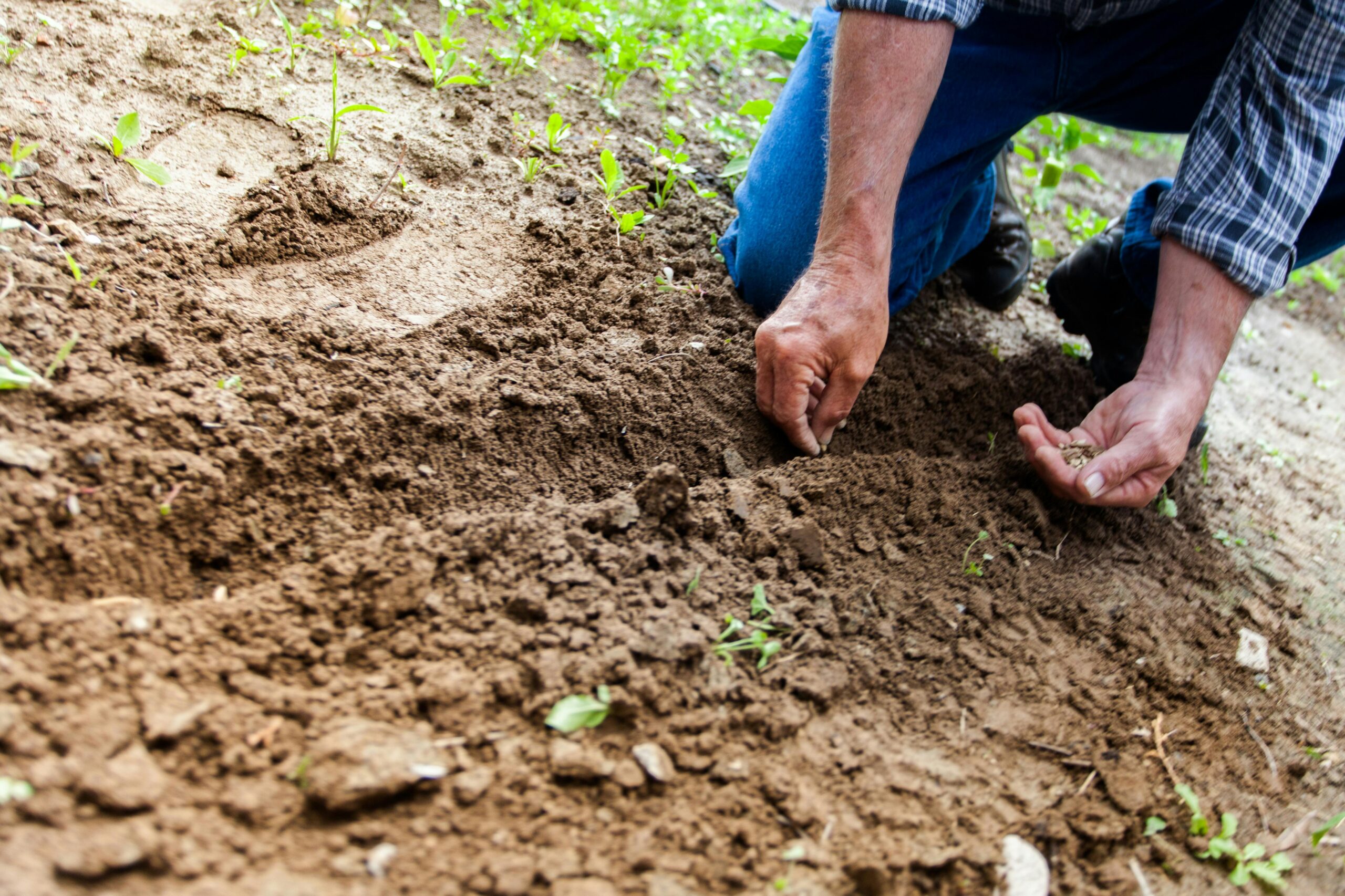
To ensure you get the sweetest and tangiest blackberries possible, you want to keep in mind a few things,
Blackberries like a sunny spot with well-drained, fertile soil. Plant in fall or winter, spacing them 3 to 4 feet apart. Mulch with pine straw or shredded pine bark to conserve moisture and discourage weeds. Prune old canes right after fruiting to encourage new canes and discourage diseases. Buy plants at a local nursery, or order from your favorite online retailer.
Light
Cultivated blackberries require full sun for good flowering and fruiting. Many types of blackberries tolerate partial sun as well, but this usually results in fewer and slower-ripening berries. Try to provide at least six hours of direct sunlight a day.
Soil
Blackberries require slightly acidic, well-drained, organically rich soil in order to thrive. The plants do best in loam or sandy loam soil. Loosen the soil to a foot deep and add compost or aged manure to improve drainage if needed. Raise the soil level higher if poor drainage is a problem.
Water
Though they are drought-tolerant plants, blackberries will produce the best fruit if they receive 1-2 inches of water a week while berries are present. Water deeply a couple of times a week when plants are first getting established and during hot, dry weather. Mulch around the plants to conserve moisture. Watering is rarely necessary in winter or while the plant isn’t fruiting.
Blackberries like a sunny spot with well-drained, fertile soil. Plant in fall or winter, spacing them 3 to 4 feet apart.
Temperature And Humidity
Most blackberries can be grown in USDA Plant Hardiness Zones 5-9. There are cultivars bred to survive harsher winters and others that will fruit in warmer climates. Blackberry plants require chill hours in winter in order to set fruit—they must spend some amount of time below 45ºF. How much depends on the type you grow. If you live in the Coastal South, look for blackberries that are recommended for Zone 9. Blackberry plants will shrug off the summer heat, but harvested fruit should be refrigerated immediately so it will last.
Fertilizer
Many home gardeners find that a thick layer of mulch provides all the fertilizer their blackberries need. Add a couple of inches each year as the mulch breaks down and enriches the soil. If you do choose to fertilize, wait until the second year. Use a balanced 10-10-10 fertilizer in late spring and apply 1/4 pound, or about 1/2 cup, of fertilizer in a foot-wide circle around each plant.